
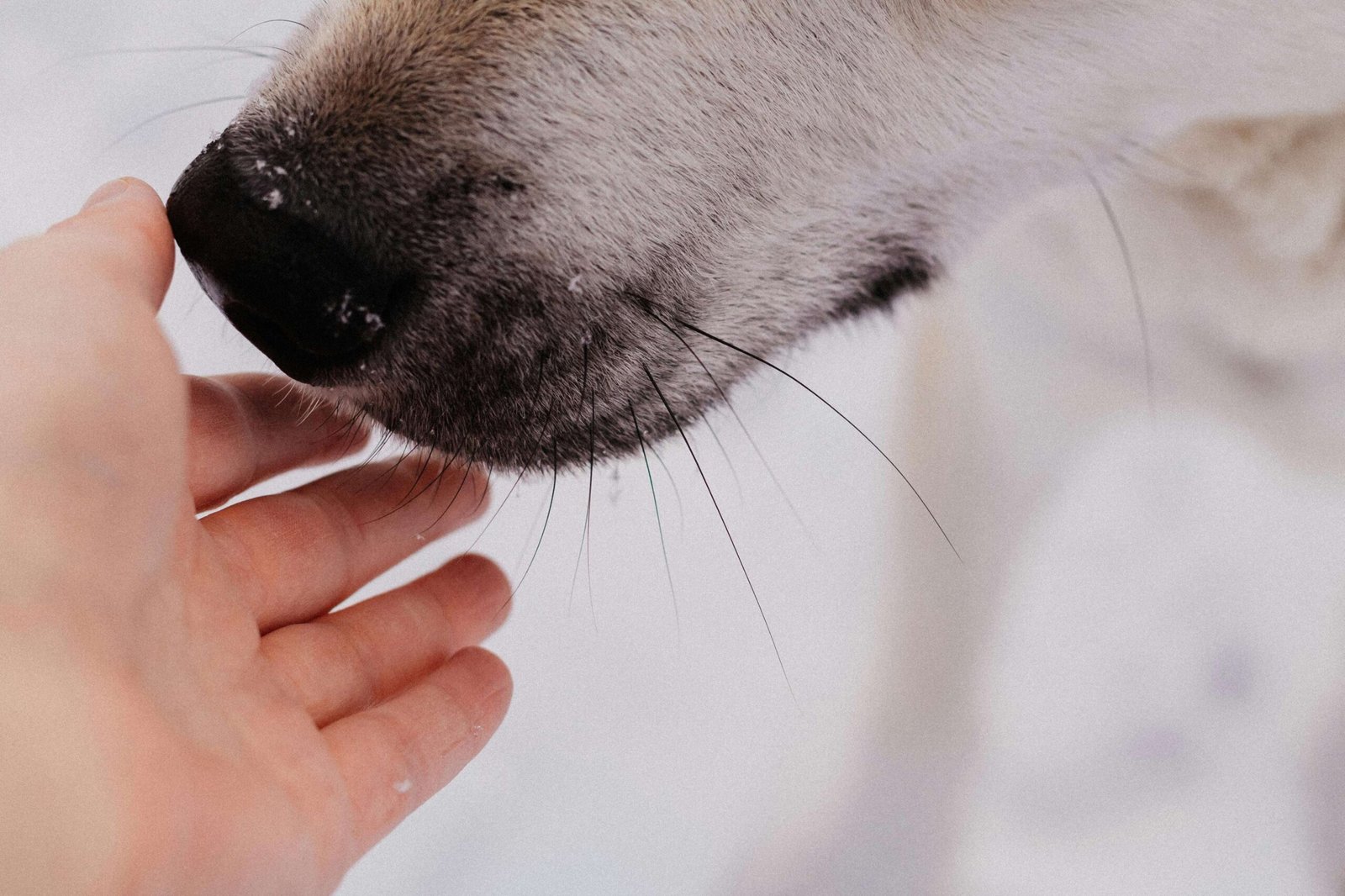
Bringing a puppy home during spring offers wonderful opportunities for growth and bonding, but first-time owners in Ingleside often underestimate the seasonal challenges puppies face. Spring brings parasites, new allergens, rapidly growing bodies that need proper nutrition, and socialization windows that require careful management. At Ocean Avenue Veterinary Hospital, we guide new puppy owners through this exciting but demanding season.
Your puppy’s first spring is critical for development. Proper preventive care, balanced nutrition, and appropriate socialization create the foundation for a healthy, well-adjusted adult dog. Spring weather invites outdoor exploration, but puppies lack immunity to many environmental threats. Understanding how to keep your puppy safe while allowing appropriate development is key to a successful first spring.
Preventive Care Essentials for Spring Puppies
Starting your puppy on flea, tick, and parasite prevention early is crucial. Spring temperatures favor explosive parasite growth, and young puppies are especially vulnerable to severe infestations and intestinal parasites. Most puppies should begin prevention around 6-8 weeks of age, well before spring allergen and parasite loads peak. Our medical services team at Ocean Avenue Veterinary Hospital will recommend age-appropriate prevention products that safely protect your developing puppy.
Vaccination is another critical spring consideration for new puppies. Spring is prime season for exposure to infectious diseases, particularly in parks like Fort Funston and Glen Canyon Park where many dogs gather. Your puppy’s immune system needs a series of vaccinations spaced properly to develop protection. Puppies typically receive initial vaccines at 6-8 weeks, with boosters every 3-4 weeks until around 16 weeks of age. Spring puppies need to complete this series before outdoor socialization becomes extensive.
Your puppy’s wellness program should include regular monitoring for developmental issues. Puppies grow rapidly in spring warmth, and their nutritional needs are extremely high. Rapid growth can mask orthopedic problems that become apparent in adulthood. Early assessment of your puppy’s growth patterns, bone development, and movement helps identify issues that respond best to early intervention. Schedule wellness visits every 3-4 weeks during your puppy’s first spring to track healthy development.
Nutrition and Growth Management During Spring
Spring puppies require carefully balanced nutrition to support healthy growth without overfeeding. Overfeeding, especially in large breed puppies, leads to too-rapid bone and joint development, increasing orthopedic disease risk in adulthood. Your puppy needs high-quality protein, appropriate calcium and phosphorus ratios, and balanced fats for brain and coat development. Nutrition counseling helps new owners understand appropriate portion sizes and feeding schedules for their specific puppy.
Growing puppies eating premium pet care services food may need different portions than those eating standard diets. Large breed puppies (over 50 pounds at adulthood) have special nutritional requirements to prevent developmental orthopedic disease. Giant breeds need even more careful management. Our nutritionists can recommend specific diets for your puppy’s breed, size, and activity level. Spring is the perfect time to establish healthy eating habits that will benefit your puppy throughout life.
Water intake increases significantly as puppies become more active in spring weather. Ensure your puppy has constant access to fresh water, especially during outdoor exploration near Balboa Park, Parkside, or other neighborhood areas. Proper hydration supports kidney function, digestion, and temperature regulation as your growing puppy spends more time outdoors.
Safe Socialization and Outdoor Activity Planning
Spring’s beautiful weather invites outdoor adventures, but young puppies have incomplete immunity and can face serious illness from environmental exposure. Socialization is critical during your puppy’s first 12-16 weeks, but it must be done thoughtfully. Focus socialization in controlled environments with vaccinated dogs rather than busy parks until your puppy completes the vaccination series. After full vaccination, spring provides excellent opportunities for structured socialization experiences.
Avoid high-traffic areas like Ocean Beach or areas with unknown dogs until your puppy’s immunity is solid. Instead, arrange playdates with vaccinated puppies or dogs you know well. This controlled approach protects your puppy while providing critical social experiences. Train your puppy basic commands and leash skills during spring’s pleasant weather to prepare for all-season activities. Building good leash manners now prevents future behavior problems.
Watch for signs of illness during spring play, including lethargy, loss of appetite, vomiting, or diarrhea. Puppies can rapidly become critically ill, and spring illnesses may escalate quickly. If your spring puppy shows any signs of illness, contact Ocean Avenue Veterinary Hospital immediately. We offer emergency care 24/7 and prioritize young puppies that may be developing life-threatening conditions. Never assume a puppy can wait until morning if illness develops.
Frequently Asked Questions
Q: When can my spring puppy visit parks and socialize with other dogs?
A: After your puppy completes the vaccination series (around 16 weeks), it is generally safe to visit parks and interact with vaccinated dogs. Before vaccination completion, focus on controlled socialization with known vaccinated dogs in safe environments.
Q: What flea and tick prevention is safe for young puppies?
A: Prevention safety depends on your puppy’s age and weight. Most puppies can begin flea and tick prevention around 6-8 weeks with appropriate products. Our veterinarians will recommend specific products safe for your puppy’s age and breed.
Q: How much should I feed my spring puppy?
A: Puppy portions depend on the breed, expected adult size, and specific diet. Large and giant breed puppies have special requirements to prevent orthopedic disease. Our nutrition counseling provides specific feeding guidance for your puppy.
Q: What signs of illness should I watch for in my spring puppy?
A: Contact us immediately if your puppy shows vomiting, diarrhea, lethargy, loss of appetite, difficulty breathing, or behavioral changes. Puppies can become critically ill rapidly, so err on the side of caution.
Q: How often should my spring puppy visit the veterinarian?
A: During the first 4-6 months, puppies should visit every 3-4 weeks for vaccination boosters and wellness monitoring. These frequent visits ensure proper development and allow early detection of any issues.
Give your spring puppy the best start in life. Call Ocean Avenue Veterinary Hospital at (415) 586-5327 or book your puppy visit at https://book2.getweave.com/50520f32-f537-4c7e-9b67-eaeeec5b7b9e/request-appointment?source=WEBSITE. Find us at 1001 Ocean Ave, San Francisco, CA 94112.
Published by the team at Ocean Avenue Veterinary Hospital.
This article is for general educational purposes only and does not constitute veterinary advice. Always consult a licensed veterinarian before making decisions about your pet’s health. If you have concerns, contact Ocean Avenue Veterinary Hospital at (415) 586-5327.