
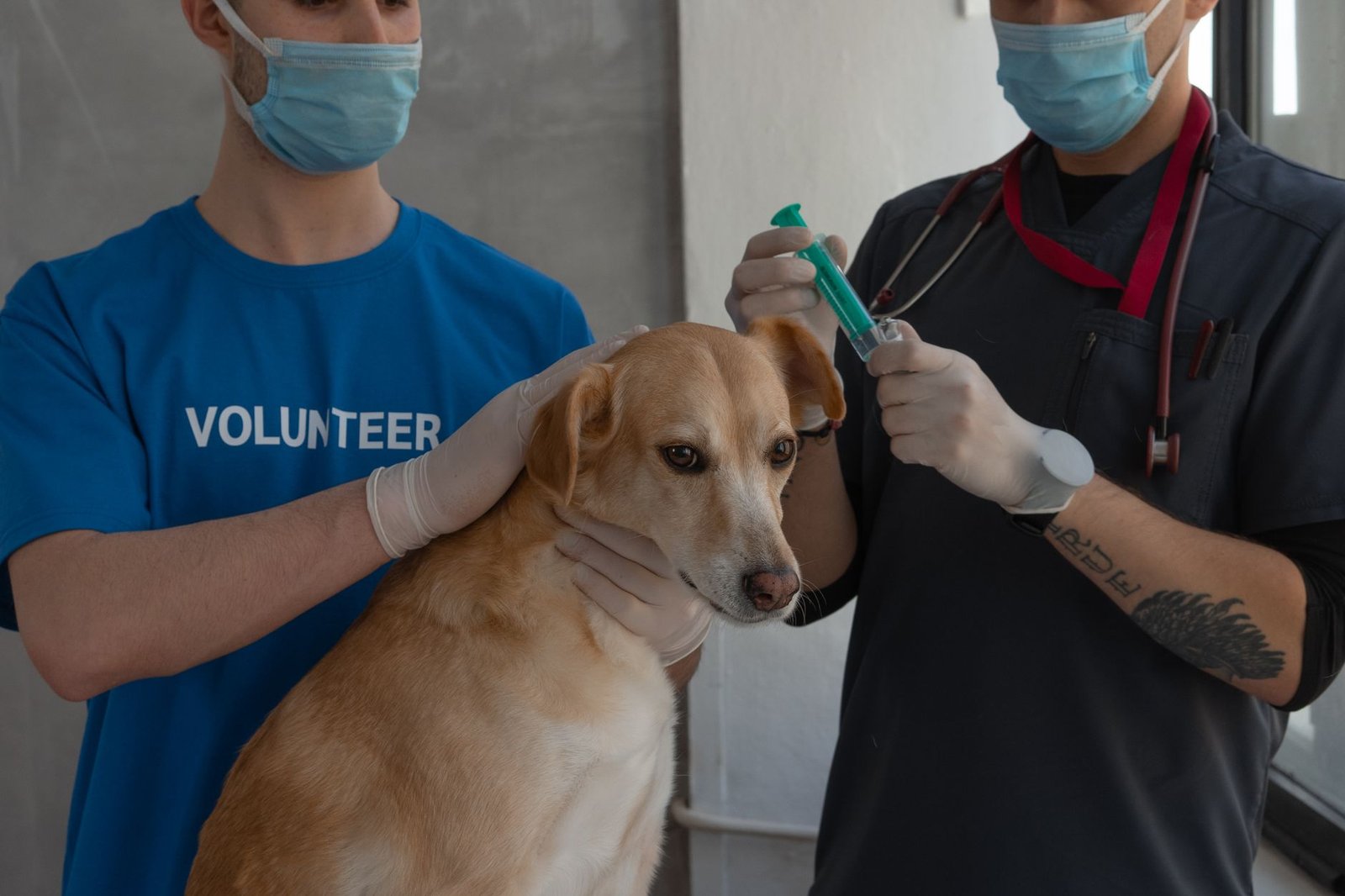
We scan found animals around the clock. The chip is usually there. What is missing, more often than anyone would like, is a working phone number at the other end of it, because the chip was implanted years ago and never registered, or registered to a number that changed three moves back.
What a chip is and is not
A microchip is a small permanent identifier under the skin between the shoulder blades. It carries a number and nothing else. No address, no phone, no GPS, no battery.
That number is only useful because it points at a record in a registry, and that record is what somebody calls. If the record does not exist or is out of date, the scan tells us an animal has a chip and nothing more.
Two things follow. Implanting is only half the job, and the half most likely to be skipped. And a chip is not a tracker; it cannot show you where your pet is, which is a common and understandable misunderstanding.
Check yours tonight
- Find the number. It is on the paperwork from the implant, on the adoption record, or in your pet’s file with us. Just ask.
- Look it up in a universal pet microchip lookup, which will tell you which registry holds it.
- Log in and read what is there. Phone number, second phone number, email, address. Most registries let you do this free.
- Fix anything stale, particularly the phone. This is where nearly all the failures are.
- Add a second contact: a family member or friend at a different number. If you are unreachable, that person is the difference.
- Do the same for every pet in the house, including the indoor cat. Indoor cats get out, and they are the ones least likely to be wearing a collar.
If you adopted, assume the record still points at the shelter or the breeder unless you specifically transferred it. That transfer is the step most commonly missed.
Why it matters more here
In a dense city a lost pet is usually found quickly: by a neighbor, by someone walking past, by a resident who brings them in. That part works well.
What determines whether they get home fast is whether the person holding them can reach you. A collar and visible tag is the quickest route of all, because anyone can read it without a scanner. The chip is the backup for when the collar comes off, which is exactly what happens when an animal squeezes through something.
Use both. They fail in different ways.
If your pet goes missing
Act in the first hours rather than waiting to see whether they come home, because that window is when most animals are still close by.
Search on foot and search thoroughly near home first, including under decks, in garages and behind anything a frightened animal could squeeze into. Frightened cats in particular usually hide very close rather than travel far. Call the registry and flag the chip as missing. Contact the local shelters directly and in person where you can. And get the word out locally, since neighborhood groups and posted notices do a great deal of the work.
For a found animal, a scan is free and takes seconds. Our emergency care runs around the clock, so there is no wrong time to bring one in. Our wellness services cover implanting a chip if your pet does not have one, which is a quick procedure that needs no anesthetic, and our medical services cover anything else that turns up when a lost animal arrives in less good shape than their finder hoped. Pet diagnostics comes into it where a found animal needs more than a scan and a look.
Common misunderstandings worth clearing up
- "The vet has my details, so it is fine." We do, but whoever finds your pet calls the registry, not us.
- "It was done at adoption." Implanted, yes. Transferred into your name, often not.
- "There is an annual fee I stopped paying." Worth checking what happened to the record. Many registries keep basic details free.
- "My pet never goes outside." The animals we scan at three in the morning are very often indoor pets who got out once.
- "Chips move around." They occasionally migrate a little, which is why a proper scan covers the whole body rather than one spot.
Our hours
We are open 24 hours a day, seven days a week, 365 days a year. There is no closed window, which is the point: animals are found at every hour, and a scan at two in the morning is as straightforward as one at two in the afternoon.
If you have found an animal, bring them in to be scanned whenever it happens. If your own pet is missing, flag the chip with the registry first and then search close to home.
Common questions
Does implanting hurt?
It feels like a vaccination and takes seconds. No anesthetic is needed and it can be done at an ordinary visit.
How often should I check the registration?
Once a year, and any time you change your phone number or move. Those two events are behind most dead records.
My pet has two chips.
It happens, usually after an adoption. Make sure both records point at you rather than assuming the newer one wins.
Is a collar still necessary?
Yes. A visible tag is read by anyone immediately; a chip needs a scanner and a working record. They cover different situations.
Can anyone look up my personal details from the number?
No. A lookup shows which registry holds the record, and the registry contacts you. Your details are not public.
Speak to the team at Ocean Avenue Veterinary Hospital
Find your pet’s chip number tonight and check what phone number it points at. If you do not know whether they have one, ask us to scan at the next visit.
Published by the team at Ocean Avenue Veterinary Hospital.
This article is for general educational purposes only and is not a substitute for an in-person veterinary examination or advice about your individual pet. If you have an urgent concern about your pet, contact Ocean Avenue Veterinary Hospital right away.
Ocean Avenue Veterinary Hospital
1001 Ocean Avenue, San Francisco, CA 94112
Phone: (415) 586-5327
Hours: Open 24 hours, 7 days a week, 365 days a year