
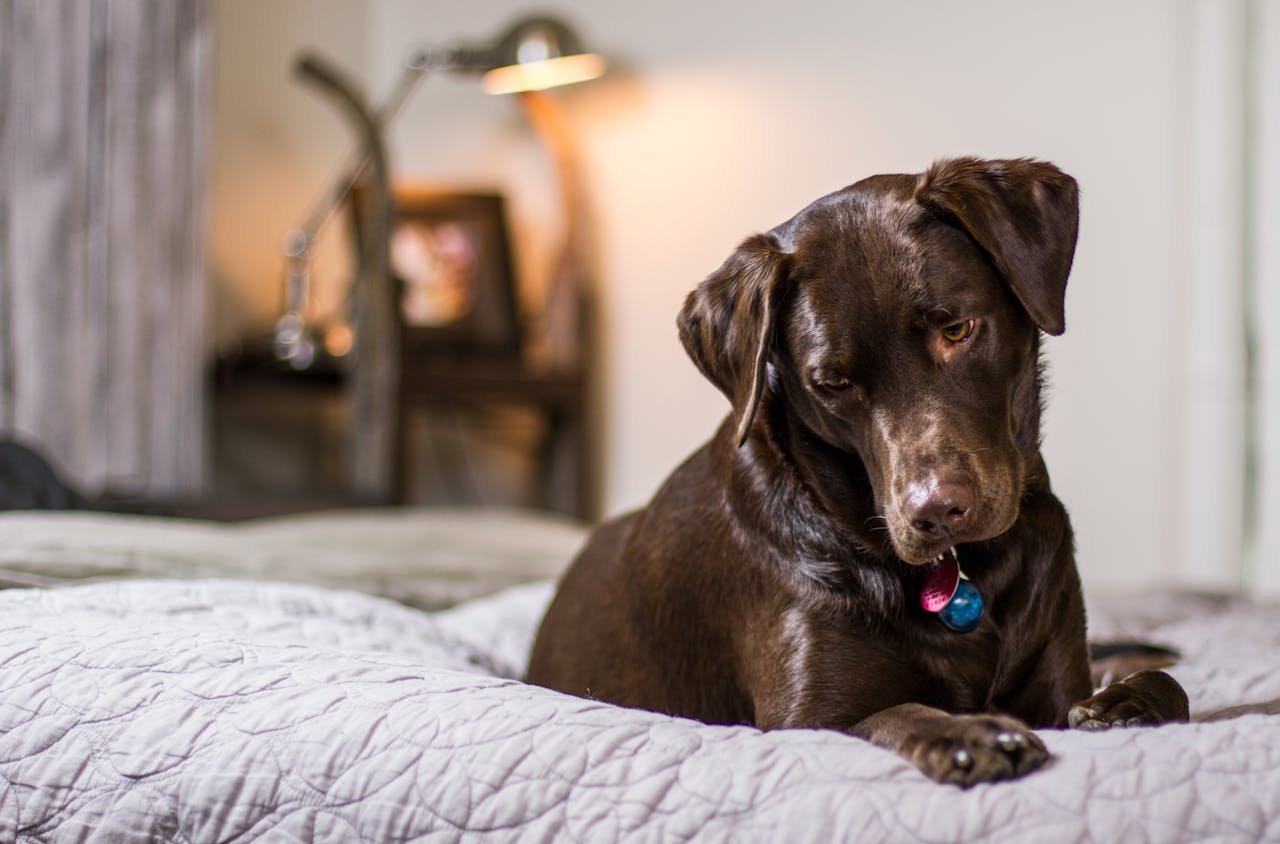
Post-Anesthesia
- Your pet may appear more lethargic than usual. This is a normal side effect of general anesthesia & should dissipate after 24 hours.
- A slight cough for 1-2 days is expected due to the endotracheal “breathing” tube.
- Defecation may be delayed several days because of the anesthetics and fasting.
- A slight increase in urination on the first day is common from the IV fluids that were administered.
Feeding
- Some pets become carsick on their way home after undergoing anesthesia.
- Please keep your pet in a warm and dry place when you arrive home after surgery; only feed them a small portion of food (up to ½ of the normal amount). The following day, you may resume their regular diet.
- A decreased appetite usually isn’t a concern for the first day after surgery. If your pet is not eating or drinking 24 hours after going home, please notify us.
- Fresh water should always be available.
Activities
- Activity is often restricted for a period after surgery, ranging from several days to many weeks, depending on the type of surgery. We will provide you with specific detailed instructions from your veterinarian.
- Activity includes running, jumping, climbing, swimming, stairs, etc.
Incisions
To prevent infection, surgical incisions need to remain dry and clean. If the incision becomes soiled or dirty, gently clean it with a sterile saline solution. Otherwise, leave it alone. Do not apply any creams or products unless instructed to do so.
Check the incision frequently until it is completely healed (10 to 14 days). Monitor for swelling, oozing, pus, redness, heat, foul odor, or loose or missing staples or sutures.
The incision may have a small amount of bloody discharge on the first day. This is normal. If you feel the incision is bleeding heavily, please contact us right away.
E-Collar
Short for Elizabethan collars, e-collars go around your pet’s neck to prevent them from reaching their incision. Licking the incision is one of the most common causes of infection. Please keep the e-collar on at all times.
Bandage
After certain procedures, your pet may go home with a bandage or splint, which must remain clean, dry, and intact.
Apply a heavy plastic bag over the bandage when taking your pet outside and remove it once indoors. You may purchase a MediPaw Protective Boot if your pet will be in a bandage for an extended period.
If the bandage or splint gets wet, dirty, loose, or develops a foul odor, there may be an issue underneath. Please contact us immediately.
Post Surgery Care
Follow all care instructions provided and continue for the full recommended period.
Comfort support is often needed after procedures. Watch for signs your pet may be uncomfortable, including panting, lethargy, loss of appetite, or vocalizing.
Dogs may have difficulty settling and resting, while cats may hide and stop eating.
If you miss a scheduled care step, continue with the next one as planned. Do not attempt to make up for it.
Do not give any additional products or supplements without checking with your doctor first.
Some items may be harmful if handled incorrectly. Use caution and keep them out of reach of children.
Keep your pet’s items stored separately from household items.
Pill Pockets can be a helpful way to give your pet a treat along with their care routine.
Emergency
The following are signs of a potential emergency & require immediate attention:
- Bleeding from the surgical site.
- White gums
- Temperature over 104
- Depression or unresponsive behavior
- Any signs of redness, swelling, or discharge could mean an infection.
Thank you for trusting us with your pet’s care. If you have any questions or concerns, please feel free to contact us at 415-586-5327 (option 4) or email us at oavhreception@gmail.com.