
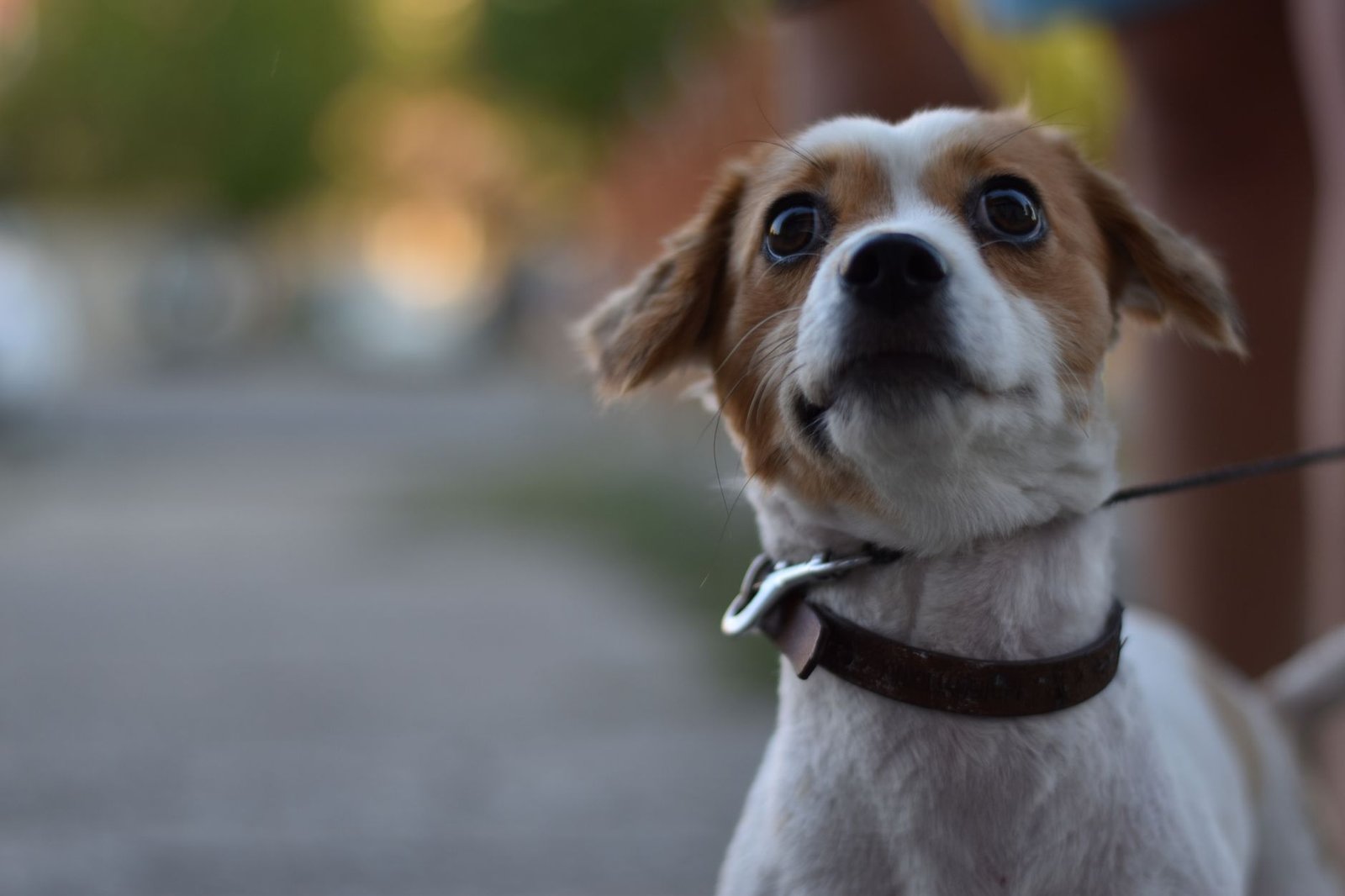
Fleet Week brings low, loud jets over San Francisco every October, and for a noise-sensitive dog or cat it is one of the hardest weekends of the year. The noise is sudden, it repeats, and it comes from directly overhead, so nowhere indoors feels safe. Preparing takes a couple of weeks.
Why this is different from a thunderstorm
Most noise fears build. A storm announces itself with wind and pressure changes, and a dog has time to react. Jet noise arrives without warning, peaks within a second, and repeats unpredictably across an afternoon.
It also travels. A neighborhood far from the waterfront still gets the sound bouncing between buildings and hills, so being inland is not the protection people assume. Add the crowds, the traffic and the general disruption of the weekend, and the whole city is louder than usual for several days.
The animals who struggle most are dogs with existing noise fear, seniors, cats who are already timid, and any pet who is new to the city and has never experienced it.
What fear actually looks like
Owners often miss the quieter signs and only recognize the dramatic ones.
- Panting, pacing, trembling or drooling
- Hiding under beds or in closets, or trying to get into a bathroom or basement
- Clinginess, or the opposite, a pet who will not be touched
- Refusing food, even favorite food
- Barking, howling or yowling
- Destructive behavior around doors and windows, which is escape behavior rather than misbehavior
- Cats who simply vanish and do not come out for hours
Scolding any of this makes it worse. So does forcing a frightened animal out of a hiding place. A pet hiding under the bed is coping, and the bed is doing its job.
What to do in the two weeks beforehand
- Check identification now. This is the most important item on the list. Make sure the microchip is registered to a phone number you currently use, and put a collar and tag on, including on indoor cats. Frightened animals bolt, and the days after a loud weekend are when shelters fill.
- Take a current photo of each pet on your phone.
- Build the safe room. An interior room with no windows if possible, a bathroom or hallway closet, with a bed, water, a litter box for cats and something that smells like you. Set it up now so it is familiar rather than new.
- Practice using it on ordinary days with food and quiet company, so the room predicts good things.
- Talk to us early if your pet has a serious noise fear. There are things that genuinely help, and they work far better when arranged in advance than during the first flyover.
On the days themselves
- Walk early. Get the day’s exercise in well before the air show starts, and keep the dog leashed even in familiar places.
- Keep everyone inside during the flying, cats included, with windows and doors closed and locked.
- Mask the sound. Close blinds, run a fan, a white noise machine, the television or steady music. Constant background noise blunts the spikes.
- Stay home if you can. A frightened pet does better with company, and comforting them does not reinforce fear.
- Do not take your dog to watch. A crowded waterfront with jets overhead is not a dog activity, however well they cope with the city normally.
- Feed and offer water as normal, and do not be surprised if they are not interested until evening.
- Check the yard gate and any window screens before the weekend. Screens do not hold a panicking cat.
If your pet gets out
Start searching immediately and close to home. Frightened animals usually hide nearby rather than running far, so check under decks, porches, cars and in bushes within a few blocks, and go out again after dark when it is quiet. Call animal control and local shelters, post in neighborhood groups with a clear photo, and leave a familiar-smelling item and food outside your door.
The medical side
Come in if your pet injures themselves trying to escape, if a dog has been panting hard for hours and cannot settle, if an older pet with a heart or breathing condition becomes distressed, or if a cat has not eaten for more than a day afterward. We are open around the clock, so our emergency care team is here through the weekend and overnight.
Severe noise fear is not something a pet grows out of, and it often worsens year to year if nothing changes. It is worth raising at a routine visit rather than only in October, and our wellness services appointment is a good place to start that conversation.
Reading the early signals helps you act before a pet is overwhelmed, and our guide to reading your pet’s body language covers what to watch for.
Frequently asked questions
When exactly does Fleet Week happen?
It runs in October each year, usually across a weekend in the first half of the month, with practice flights on the days beforehand. Check the current schedule and plan for the practice days too, since those catch people out.
Should I take my dog to watch the air show?
No. Even dogs who are relaxed in the city are dealing with crowds, heat, hard pavement and extremely loud noise with no way to leave. Leave them at home in a quiet room.
Does comforting my dog reinforce the fear?
No. That idea has been around for years and it is not how fear works. You cannot reward an emotion. Sit with your pet, speak calmly, and let them choose whether to be touched or to hide.
My cat just hides. Is that a problem?
Hiding is healthy coping, so leave her to it and make sure the hiding place is accessible. What matters is afterward: a cat who does not eat for more than a day, or who is still hiding two days later, should be checked.
Is there anything that helps beyond the room and the noise?
Yes, for pets with genuine noise phobia, and it works best when planned ahead with your veterinarian rather than started the morning of. Book a visit with our medical services team in the next two weeks if your pet had a hard time last year.
My dog was fine last year. Do I still need to prepare?
Do the identification check regardless, since it takes ten minutes and matters most for the pets nobody expects to bolt. Noise sensitivity can also appear or worsen with age, so a dog who coped at three may not cope at nine.
Speak to the team at Ocean Avenue Veterinary Hospital
If your pet struggles with loud noise, call us before October rather than during it, and we will put a plan together.
Published by the team at Ocean Avenue Veterinary Hospital.
This article is for general educational purposes only and is not a substitute for an in-person veterinary examination or advice about your individual pet. If you have an urgent concern about your pet, contact Ocean Avenue Veterinary Hospital right away.
Ocean Avenue Veterinary Hospital
1001 Ocean Ave, San Francisco, CA 94112
Phone: (415) 586-5327
Hours: Open 24 hours, 7 days a week