
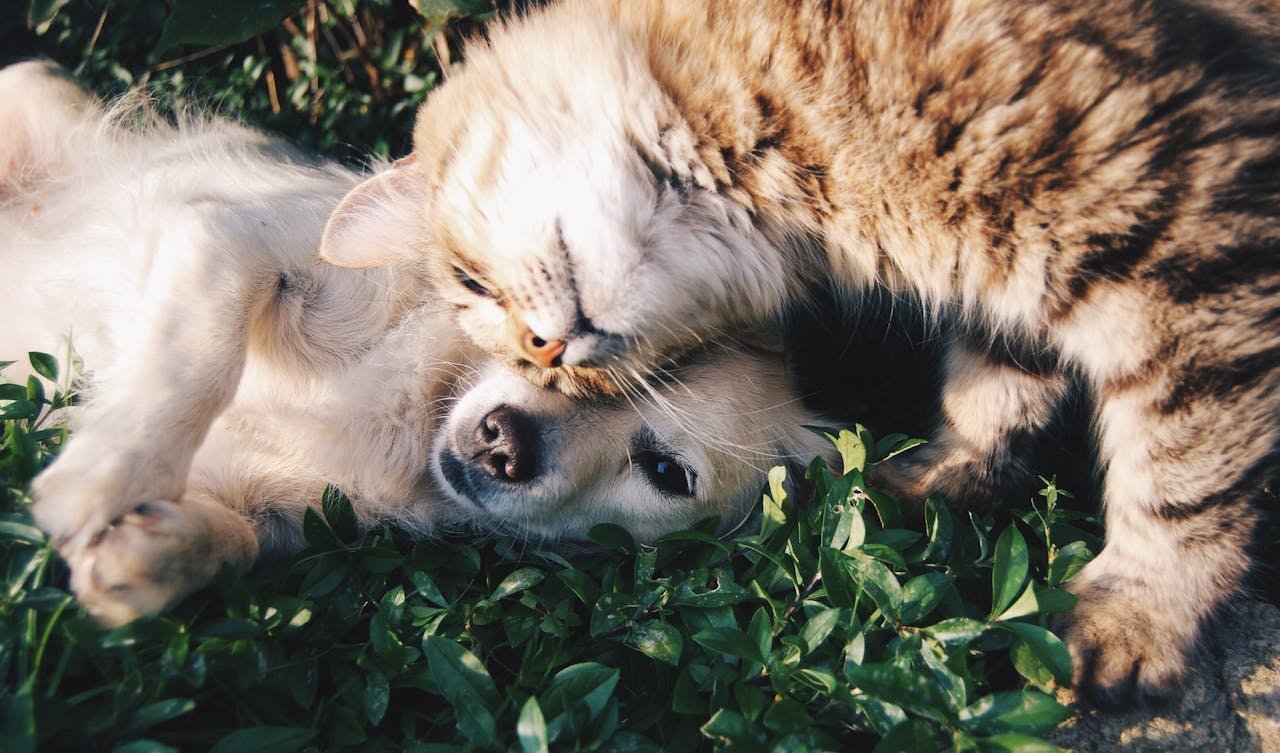
Pets may not speak our language, but they communicate constantly through their body language. Whether you have a dog, cat, or other companion animal, learning to recognize signs of stress can help you respond quickly and keep your pet comfortable and healthy. Many behavioral issues and health problems begin with subtle signals that owners often overlook. By understanding these cues, you can strengthen your bond with your pet and prevent situations that may cause fear, anxiety, or discomfort.
Why Understanding Pet Body Language Matters
Animals rely on body language as their primary way of communicating. When a pet feels stressed, scared, or uncomfortable, their body often shows warning signs before the situation escalates. Ignoring these signals can lead to behavioral problems such as aggression, withdrawal, excessive barking, or destructive behavior.
Recognizing stress early allows pet owners to remove the source of anxiety, provide comfort, and create a safer environment for their pets.
Common Causes of Stress in Pets
Before identifying the signs, it helps to understand what might trigger stress in animals. Some common causes include:
Changes in environment such as moving to a new home
Loud noises like fireworks or thunderstorms
Visits to the veterinarian
New pets or people in the household
Separation from owners
Lack of routine or insufficient exercise
Every pet reacts differently, so observing your pet’s normal behavior is essential to spotting unusual changes.
Signs of Stress in Dogs
Dogs often display several physical and behavioral signs when they are feeling stressed.
Excessive panting or drooling
Dogs may pant heavily even when they are not hot or physically active.
Yawning or lip licking
Frequent yawning or licking lips can signal discomfort or anxiety.
Tail position changes
A tucked tail or stiff tail can indicate fear or stress.
Avoiding eye contact
Dogs that look away or turn their heads may be trying to calm themselves or avoid confrontation.
Pacing or restlessness
Constant movement, pacing, or inability to settle down can signal anxiety.
Shaking or trembling
Some dogs physically tremble when they are nervous or scared.
Signs of Stress in Cats
Cats tend to show stress more subtly than dogs, making it important to watch their body language closely.
Flattened ears
Ears turned sideways or flattened backward are a common stress indicator.
Dilated pupils
Large pupils can indicate fear or anxiety.
Tail flicking or thrashing
Rapid tail movements may signal irritation or stress.
Hiding or withdrawing
Cats often hide when they feel overwhelmed or unsafe.
Changes in grooming habits
Overgrooming or neglecting grooming can both be signs of stress.
Behavioral Changes to Watch For
Stress in pets is not always visible through body posture alone. Behavioral changes can also indicate underlying anxiety.
Reduced appetite
Excessive barking or meowing
Destructive chewing or scratching
Increased aggression
Changes in sleep patterns
If these behaviors appear suddenly or persist for long periods, it may indicate that your pet is struggling with stress.
How to Help a Stressed Pet
Once you notice signs of stress, taking steps to calm your pet can make a significant difference.
Provide a quiet and safe space where your pet can relax
Maintain a consistent routine for feeding, walks, and playtime
Offer mental stimulation with toys or training activities
Use positive reinforcement to encourage calm behavior
Ensure your pet gets enough physical exercise
For pets with severe anxiety, consulting a veterinarian or animal behaviorist may be necessary.
When to Seek Professional Help
While occasional stress is normal, chronic stress can affect your pet’s physical and emotional health. If your pet frequently shows signs of anxiety, refuses to eat, becomes aggressive, or displays unusual behavior, professional guidance is recommended. A veterinarian can rule out medical issues and recommend appropriate treatment or behavioral training.
Final Thoughts
Learning to read your pet’s body language is one of the most valuable skills a pet owner can develop. By paying attention to subtle signs of stress, you can respond quickly and create a more comfortable environment for your companion. A calm, understanding approach not only improves your pet’s well-being but also strengthens the trust and bond you share.