
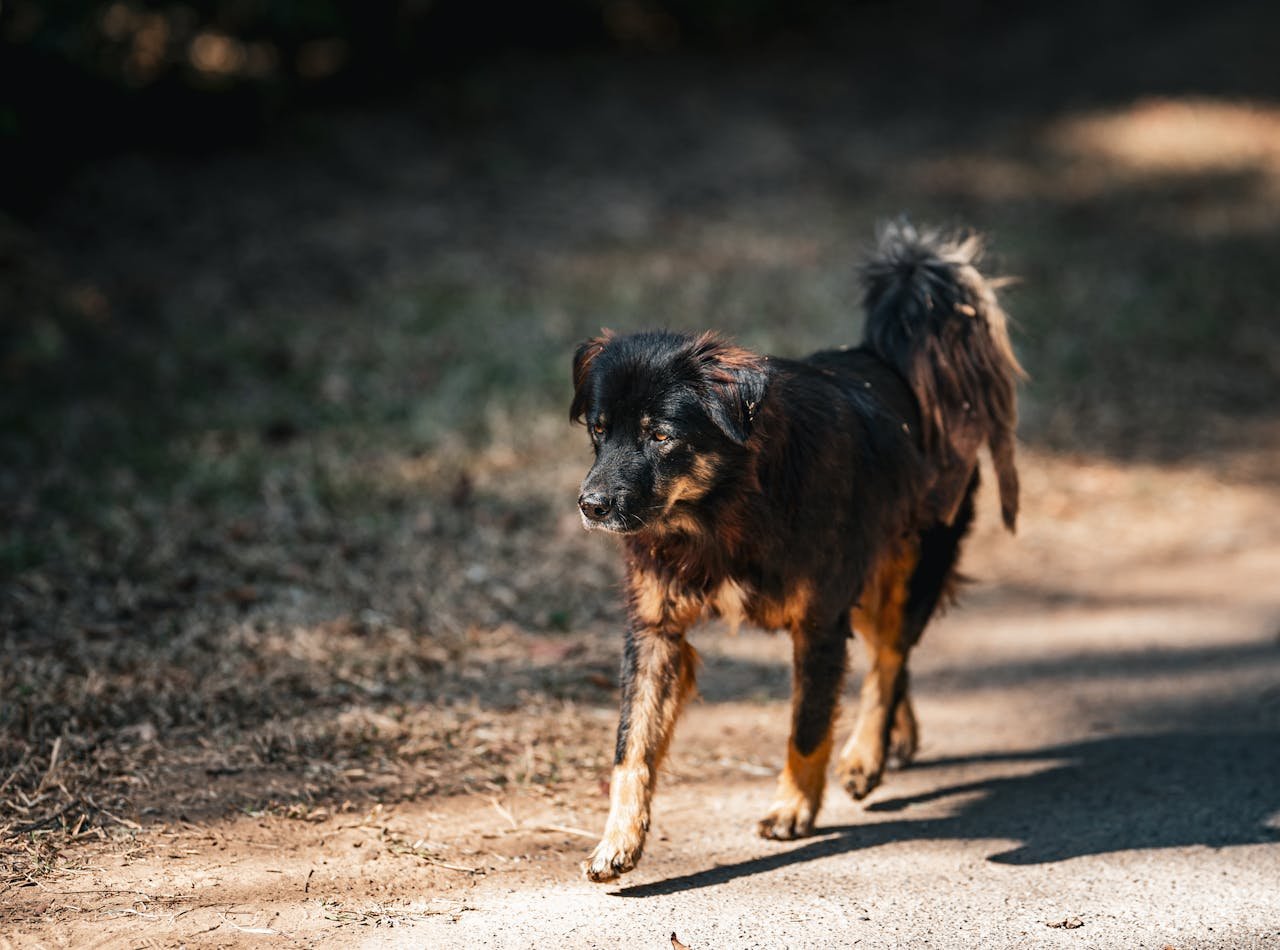
If you walk your dog at Fort Funston, Golden Gate Park, or along any of San Francisco’s open trails, your pet has almost certainly encountered foxtail grass. For most people, foxtails are just a nuisance that sticks to clothing. For dogs and cats, they can quickly become a serious medical problem. Here is what every Bay Area pet owner should understand about foxtails, what signs to watch for, and when to come in.
What Is a Foxtail?
Foxtail is a common wild grass found throughout California and most of the western United States. The plant produces seed pods with stiff, barbed bristles designed to attach to passing animals and clothing to spread the seeds. Once a foxtail barb makes contact with fur or skin, it does not release. The barbs are shaped to move in only one direction, forward, which means a foxtail that enters the body cannot work its way back out on its own.
San Francisco’s parks, hillside trails, and vacant lots are heavily populated with foxtail grass, particularly from late spring through fall when the plants dry out and the seeds detach most easily. Dogs with longer coats, floppy ears, or a habit of sniffing low to the ground are at higher risk, but any dog or cat that spends time outdoors can be affected.
Where Foxtails Enter the Body
Foxtails most commonly enter through the following areas:
- Paws and toes: Foxtails lodge between the toes, where they can cause swelling, limping, and open sores that drain fluid. A small lump between the toes after a walk is a common early sign.
- Ears: Foxtails that enter the ear canal cause sudden, violent head shaking, scratching at the ear, and visible discomfort. If not removed quickly, they can rupture the eardrum and migrate deeper.
- Nose: Inhaled foxtails cause repeated, forceful sneezing that often does not stop. Your pet may also show nosebleeds or pawing at the face.
- Eyes: Foxtails near or under the eyelid cause squinting, redness, discharge, and apparent eye pain. This requires immediate attention to avoid damage to the cornea.
- Skin and coat: Foxtails that penetrate the skin can burrow under the surface and migrate. They can travel significant distances through tissue if left untreated, causing internal abscesses that are difficult to detect and treat.
Why Foxtails Are Dangerous
The danger with foxtails is not just the immediate irritation. Because the barbs can only move forward, a foxtail that is not removed will continue to migrate through the body. In documented cases, foxtails have traveled from a paw up into the chest or abdomen, causing serious internal infections. What begins as a small lump between the toes can become a complex internal problem if ignored for too long.
Foxtails also carry bacteria on the surface, meaning any penetrating wound has a high likelihood of developing infection alongside it. Abscesses, ongoing discharge, fever, and lethargy are all signs that a foxtail injury has progressed beyond the initial entry point.
Signs Your Pet May Have a Foxtail
Contact us right away if you notice any of the following after your pet has been outdoors:
- Sudden, repeated sneezing that does not resolve
- Head shaking or scratching at one ear
- Squinting, discharge, or pawing at the eye
- Limping or licking at a paw
- A small lump or swollen area anywhere on the body
- A wound that drains fluid and does not seem to heal
- Lethargy, loss of appetite, or fever with no obvious cause
How We Diagnose and Treat Foxtail Injuries
At Ocean Avenue Veterinary Hospital, our team evaluates foxtail cases thoroughly. Depending on where the foxtail has entered and how long it has been there, we use physical examination, imaging, and in some cases scoping to locate the foreign material. Removal may be straightforward or may require sedation, flushing, or a minor surgical procedure if the foxtail has migrated or caused abscess formation.
If infection is present, we provide appropriate wound care and medical support to resolve it. Early cases are almost always simpler and less costly to treat than cases that have had time to progress, which is why we encourage pet owners not to wait if they suspect a foxtail.
How to Reduce Your Pet’s Risk
You cannot fully avoid foxtail exposure if you walk your pet outdoors in the Bay Area, but you can reduce the risk with a few simple habits:
- Check your pet from nose to tail after every outdoor walk, paying close attention to the paws, ears, and face
- Keep long-coated dogs trimmed during foxtail season, particularly around the paws, ears, and belly
- Avoid letting your dog run through tall dry grasses off-trail
- If you find a foxtail on the fur surface, remove it carefully before it has a chance to work its way into the skin
- Do not attempt to remove a foxtail that has already entered the skin, ear canal, or eye on your own, as this can push it deeper
We Are Open 24/7 for Foxtail Cases
Ocean Avenue Veterinary Hospital is open 24 hours a day, every day of the year. If your dog or cat shows any signs of a foxtail injury, do not wait to see if it resolves on its own. Walk in at 1001 Ocean Ave or call us at (415) 586-5327 any time. Early removal is always the best outcome for your pet.
Suspect a foxtail? Come in now. OAVH is open 24/7, walk-ins welcome. 1001 Ocean Ave, San Francisco. Call (415) 586-5327.
Frequently Asked Questions
Q: Can I remove a foxtail from my dog at home?
If the foxtail is still sitting on the surface of the fur and has not entered the skin, you can carefully remove it with your fingers or a fine-toothed comb. However, if it has already penetrated the skin, entered the ear canal, eye, or nose, do not attempt removal at home. Trying to pull it out can push it deeper or break it apart, making it harder to locate and remove. Come to OAVH immediately.
Q: How do I know if my dog has a foxtail in their paw?
The most common signs are persistent licking at one paw, limping, a small swollen bump between the toes, or a draining wound that does not heal. If you notice any of these after a walk, have your pet examined as soon as possible.
Q: Can foxtails affect cats too?
Yes. Cats can get foxtails just as dogs can, though it is less common since cats tend to groom themselves more thoroughly after being outdoors. Indoor/outdoor cats that spend time in yards or on patios near dry grass are at risk. The same warning signs apply.
Q: What time of year are foxtails most dangerous?
Foxtail season in California typically runs from late spring through early fall, roughly May through October, when the grass dries out and the seed pods detach most easily. However, dried foxtail material can persist in soil and vegetation year-round in the Bay Area, so vigilance is warranted in any season.
Q: How long does foxtail removal take at OAVH?
It depends entirely on where the foxtail is located and how far it has traveled. A surface foxtail on the paw may take only a few minutes to remove. Cases involving the ear canal, eye, or a migrated foxtail that has caused an abscess require a more thorough procedure and may involve sedation. Our team will assess your pet on arrival and walk you through exactly what is needed.